

Every smartphone, laptop, or smart home device carries echoes of the technology that came before it. While we often focus on the latest features, few people stop to consider how yesterday’s gadgets continue to shape today’s innovations. These “ghosts” of old tech aren’t just nostalgia—they’re the foundation upon which modern creativity is built. From design choices to interface logic, old technology leaves traces that influence the way we interact with new devices, often in ways we don’t consciously notice.
Design DNA Passed Down

Even the sleekest modern devices borrow heavily from past designs. Consider the shape of a smartphone: rectangular, pocket-sized, and with rounded corners. That form factor didn’t appear out of nowhere; it evolved from earlier mobile phones, handheld consoles, and PDAs. Designers learn from what worked and what didn’t, carrying forward lessons about ergonomics, durability, and user comfort. In essence, every gadget has inherited a design DNA that shapes its usability today.
Interface Lessons From the Past
User interfaces are another area where old tech casts a long shadow. Swipe gestures, icon layouts, and menu structures often trace back to software from decades ago. Early computers, video game consoles, and even early touchscreens established patterns users grew accustomed to, setting expectations for future devices. Ignoring these “ghost interfaces” risks confusing users, so modern innovation frequently balances novelty with familiarity.
The Problem-Solving Legacy

Technology advances in response to past limitations. Every new gadget is, in part, a solution to problems identified in older models. Weak batteries, slow processing, and limited connectivity drove engineers to innovate in ways that still shape modern devices. These improvements are cumulative, and recognizing the limitations of past technology can inspire solutions that feel revolutionary even if they are built on old ideas.
Software Ghosts That Linger
Software often carries the heaviest influence from older tech. Programming languages, operating system structures, and app ecosystems evolve slowly, creating a continuity that informs modern development. Even when a new device feels entirely cutting-edge, its codebase is often constrained or inspired by legacy systems. These software ghosts guide what’s possible, what’s compatible, and what users expect, shaping innovation from the inside out.
Cultural Memory and User Habits

Old gadgets also leave traces in the habits and expectations of users. The way people tap, scroll, click, or voice-command is informed by the devices they’ve used before. Designers must account for these habits when creating something new; otherwise, a brilliant feature may go unused simply because it feels unintuitive. The cultural memory of tech users ensures that innovation is never entirely free-floating—it is always in conversation with the past.
Innovation isn’t created in a vacuum. The ghosts of old gadgets—through design, interfaces, problem-solving, software, and user habits—play a crucial role in shaping modern technology. Recognizing and respecting these influences allows engineers and designers to create products that feel fresh yet familiar, functional yet inspired. Next time you swipe your phone or power up a new device, remember that beneath its sleek surface lies a legacy of innovation, quietly guiding every tap, click, and scroll. The past is never truly gone; it lives on in every gadget we touch.…


 In law enforcement, DNA analysis has become an indispensable tool for solving crimes. This technology allows investigators to identify individuals by analyzing their unique genetic code found in blood, hair follicles, saliva, and other bodily fluids left at crime scenes. Forensic scientists can establish a link between the evidence and potential perpetrators by comparing DNA samples collected from crime scenes with databases containing the genetic profiles of known criminals or suspects. This helps build a strong case against those responsible for heinous acts. Moreover, DNA analysis techniques have greatly improved its accuracy and speed. With cutting-edge technologies like polymerase chain reaction (PCR) and short tandem repeat (STR) analysis, forensic labs can now extract minute amounts of DNA from even degraded or contaminated samples.
 One of the essential tips for keeping your online documents safe is to back them up. Backing up your data gives you a copy of your files in case something happens and they get corrupted or deleted. There are many ways to back up documents, from cloud storage services to external hard drives. Choose the best method for you and back up your documents regularly.
 Finally, make sure you use strong passwords and two-factor authentication for all your online accounts. Make sure your passwords are long (at least 8 characters) and contain a combination of numbers, symbols, and upper and lower case letters. Also, make sure you enable two-factor authentication when possible. This additional layer of security ensures that even if someone manages to get your password, they will still be unable to access your documents without the second factor (usually the code is sent to your phone).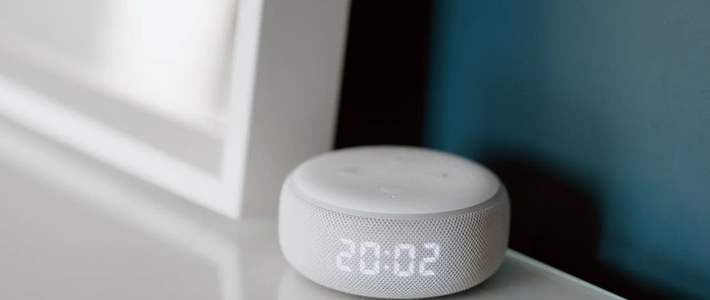
 One of the first things you should do with your new Echo is to adjust its privacy settings. By default, Amazon saves everything you say to the device unless you opt out of this setting. That’s a lot of data that could potentially be accessed by anyone who got their hands on your Echo. If you’re not comfortable with that, it’s easy to change. Open the Alexa app on your phone and go to Settings.
 One of the best things about the Echo is its ability to control your smart home devices. But it would help if you connect those devices to the Echo first. In the Alexa app, go to Smart Home and then Add Device.